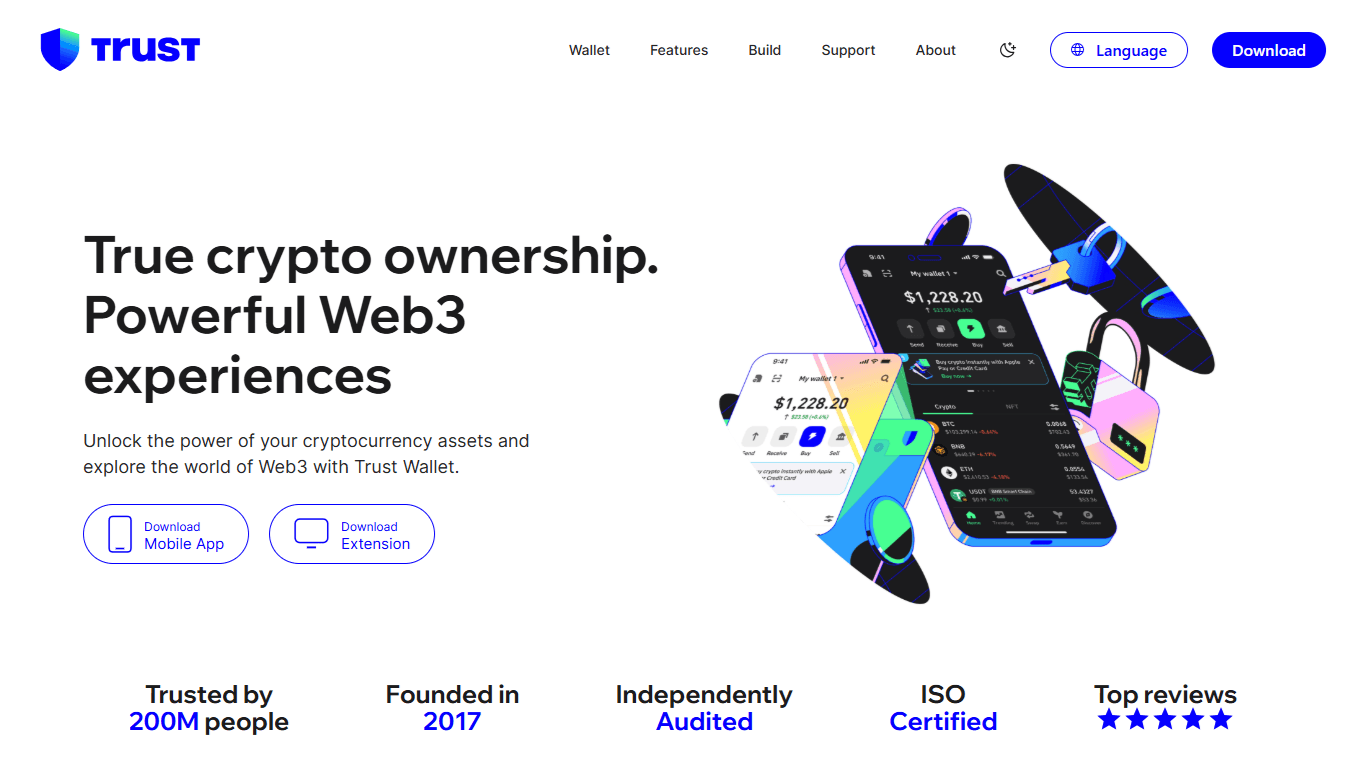
Trust Wallet: A Comprehensive 1200-Word Overview
Trust Wallet is widely recognized as one of the most versatile and user-friendly digital asset wallets in the crypto ecosystem. Designed with accessibility, security, and convenience in mind, it serves as a gateway for individuals who want to explore blockchain technology, manage digital assets, interact with decentralized applications, and gain more independence over their digital ownership. As a non-custodial wallet, Trust Wallet offers full control over private keys, meaning the user, not a company, maintains authority over their assets.
This 1200-word overview dives deeply into the purpose, features, benefits, and ecosystem of Trust Wallet—explained in a neutral, general, educational manner.
What Trust Wallet Is and Why It Exists
Trust Wallet is a decentralized, mobile-based digital asset wallet created to help people store and manage cryptocurrencies and blockchain-based assets securely. It supports numerous networks such as Ethereum, BNB Smart Chain, Solana, and many others. Rather than relying on centralized platforms, Trust Wallet emphasizes user ownership and provides tools that help individuals interact with decentralized technologies.
It was created to simplify blockchain usage so that even beginners could understand how to manage digital assets without needing specialized technical knowledge. The goal is to empower users to control their digital wealth, explore decentralized apps, and participate in blockchain ecosystems without relying on intermediaries.
Non-Custodial Architecture and Privacy Principles
A major difference between Trust Wallet and centralized platforms is the level of control it offers. Being non-custodial means:
Users hold their private keys.
No company manages or has access to stored assets.
Users have full responsibility over access and recovery.
Information is stored locally on the device rather than on external servers.
This structure reflects one of the fundamental philosophies of blockchain: decentralization. Trust Wallet aligns with the idea that digital assets should not require reliance on institutions. Instead, private keys and recovery phrases allow users to act as their own custodians.
Privacy is another key attribute. Trust Wallet doesn’t require personal identity information to function and does not store activity logs on its servers. All actions occur directly between the user's device and the blockchain network.
Wide Asset Support and Multi-Chain Capability
Trust Wallet stands out for being multi-chain, meaning it supports many different blockchain networks in a single interface. Its compatibility extends to thousands of cryptocurrencies and tokens, allowing users to manage diverse assets from a single app.
Supported categories include:
Native blockchain currencies like ETH, SOL, and BNB
ERC-20 tokens
NFTs such as ERC-721 and ERC-1155
Coins from independent blockchains
Tokens from emerging decentralized ecosystems
This broad support lets users explore blockchain projects, manage portfolios, and interact with decentralized platforms without needing multiple wallets. Trust Wallet essentially becomes a universal hub for numerous blockchain environments.
NFT Management and Web3 Interaction
With the rise of NFTs, Trust Wallet adapted by providing direct support for NFT storage and viewing. Users can organize, visualize, and manage digital collectibles from various chains through a simple interface. This supports collections from major marketplaces and games built on blockchain technology.
Another major component of Trust Wallet is its Web3 integration. Many decentralized applications rely on browser wallets to authenticate users, sign transactions, and authorize interactions. Trust Wallet includes a built-in browser designed specifically for exploring decentralized platforms, allowing users to engage with:
Decentralized finance dashboards
Blockchain games
Token management tools
NFT marketplaces
Staking and yield platforms
Social blockchain communities
This integration eliminates the need for separate browser extensions or complex configurations, keeping the experience mobile-friendly and intuitive.
Security Philosophy and Protective Features
Security is a major priority in Trust Wallet's design. Its approach focuses on the principle that “the user is in control,” supported by strong encryption and device-level security tools. Although it’s non-custodial and doesn’t hold user information, Trust Wallet includes safeguards such as:
Local private-key storage
Encrypted key protection
PIN, password, and biometric lock options
Recovery phrase backup prompts
Optional security reminders
Internal checks to prevent unauthorized activity
It’s important to note that security is a shared responsibility. Because the user controls the keys, maintaining safe storage practices is essential. Trust Wallet reinforces this responsibility through reminders and educational prompts within the app.
User Interface and Overall Experience
One reason Trust Wallet is popular among beginners is its clean and intuitive design. It organizes information with clarity, using visual cues and simple buttons that guide users through different sections. The app typically includes:
A home screen showing asset balances
A separate section for NFTs
A browser for decentralized apps
A transaction history panel
Settings for security and preferences
Tools for interacting with supported networks
Its lightweight and mobile-first approach makes blockchain management more approachable. Whether someone wants to monitor assets, explore decentralized platforms, or participate in blockchain communities, the experience is designed to feel as simple as managing any modern smartphone application.
Decentralized Application Ecosystem
The decentralized app browser inside Trust Wallet unlocks access to a wide universe of blockchain utilities. These include tools and platforms in areas like:
Digital art marketplaces
Blockchain-based entertainment
Decentralized finance analytics
Community-driven token platforms
Innovative experimental Web3 projects
Since blockchain evolves quickly, Trust Wallet continually updates its compatibility to support popular networks and emerging trends in Web3. Its open approach allows developers to build applications that Trust Wallet can interact with, increasing the number of possible use cases.
Staking and Network Participation
Certain blockchain networks rely on community participation to maintain security and validate transactions. Trust Wallet includes tools that allow users to take part in supported networks’ staking systems. Staking generally refers to locking tokens in a network to support its operations and receive rewards determined by that network.
The app simplifies staking by including built-in dashboards where users can view staking options, recent network data, and available validators. The goal is to make participation accessible to anyone experimenting with blockchain tools—without requiring advanced technical steps.
All staking functionality remains optional and educational in nature for users learning about blockchain mechanics.
Educational Value and Accessibility
Trust Wallet serves as more than just a digital wallet; it is a learning tool for understanding blockchain technology. Because the user controls their own private keys and interacts directly with blockchain networks, the app teaches essential skills such as:
Understanding transaction confirmations
Learning how blockchain networks operate
Managing network fees
Interacting with smart contracts
Organizing multi-chain assets
Safely storing recovery information
For many people, Trust Wallet is their first exposure to decentralized technology. Its simplicity helps remove barriers so beginners can observe, learn, and understand blockchain fundamentals without feeling overwhelmed.
Community-Driven Development and Open-Source Roots
Trust Wallet began as an open-source project, rooted in the belief that community development strengthens transparency and security. Many parts of its architecture continue to be shaped by community feedback and contributions.
This open nature encourages developers and blockchain enthusiasts to participate in improvements, report issues, and propose innovations. As blockchain technology evolves, the wallet adapts, integrating new networks, updating interfaces, and refining usability.
The Role of Trust Wallet in the Web3 Landscape
Trust Wallet plays a significant role in the ongoing shift toward decentralized technology. As blockchain applications continue expanding—whether in digital art, decentralized finance, identity systems, or gaming—wallets like Trust Wallet act as gateways that allow individuals to interact with these experiences.
Its emphasis on personal ownership and decentralization aligns with the broader values of Web3, a vision where users have more control over their data, assets, and digital identities.
Trust Wallet is not just a tool for managing assets but a bridge between traditional digital environments and a new era of community-driven technology.
Conclusion
Trust Wallet is a versatile and accessible non-custodial wallet designed to give users full control over their digital assets while making blockchain technology approachable for beginners and experienced individuals alike. With multi-chain support, NFT management, Web3 browser integration, strong security principles, and a smooth user experience, it serves as an essential gateway into the expanding world of decentralized technology.